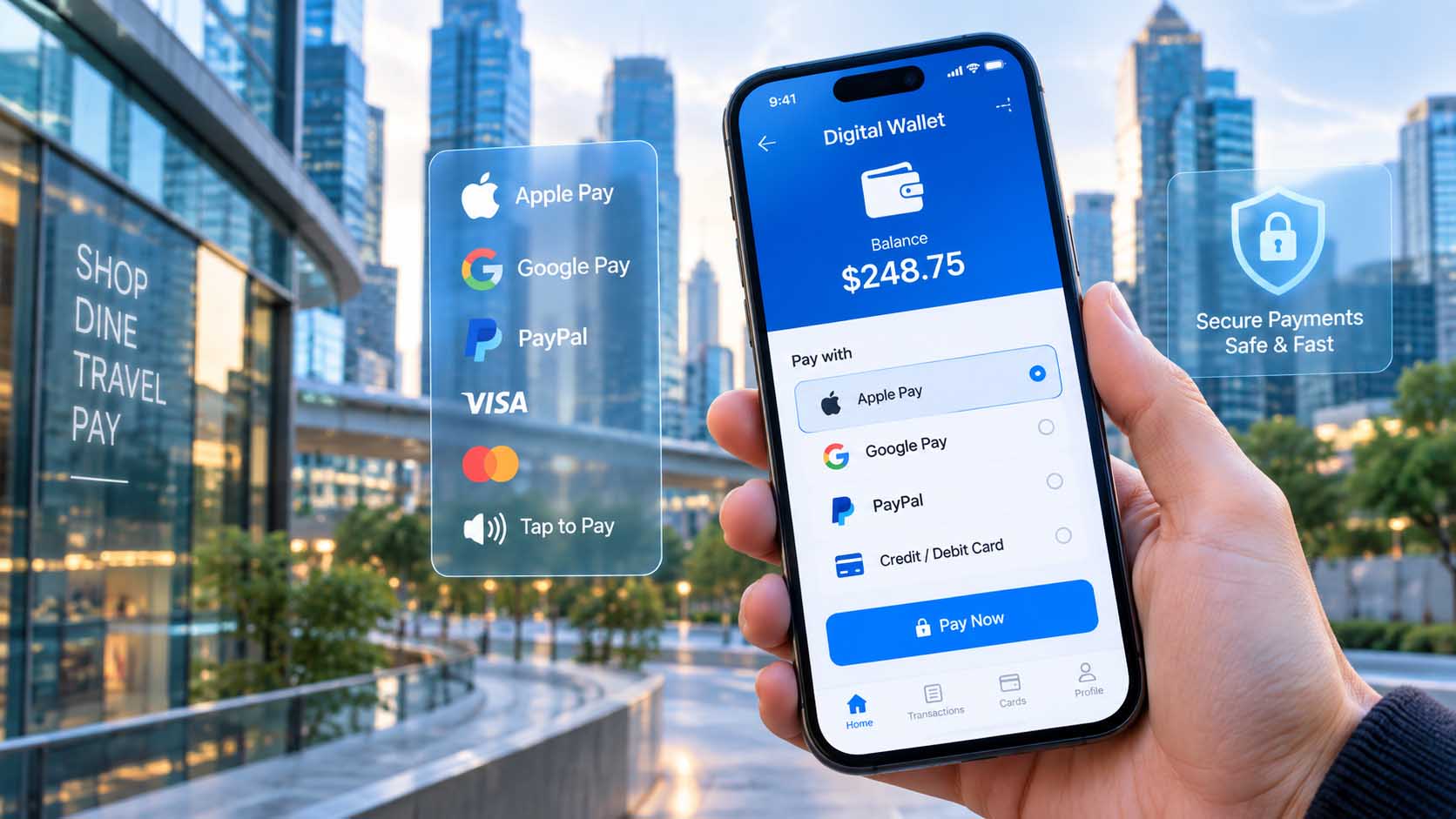
Across emerging digital economies, mobile-first consumer behaviors and rapid smartphone penetration have fundamentally reshaped how individuals manage currency, transfer funds, and complete daily transactions. Rather than relying on traditional legacy banking infrastructure or physical credit cards, millions of consumers across developing markets utilize mobile applications for everyday commerce. E-wallet adoption in Southeast Asia has accelerated dramatically, turning the region into one of the fastest-growing mobile payment ecosystems in the world.
Understanding the structural catalysts, technological frameworks, and localized preferences driving this financial shift helps analysts evaluate modern digital trade. This guide examines the core factors fueling mobile wallet growth, the influence of interoperable QR standards, and the long-term impact on regional commerce.
Catalysts of Mobile Financial Growth
The rapid expansion of digital wallets across nations such as Indonesia, Vietnam, Malaysia, and the Philippines is driven by several converging economic and technological factors. Historically, large segments of the population were unbanked or underbanked, lacking access to traditional credit card networks or physical branch banking.
Mobile technology bridged this infrastructure gap. With widespread smartphone adoption, consumers gained immediate entry points into the digital economy through applications that require only an internet connection to set up and operate. Furthermore, targeted merchant incentives—such as instant cashback rewards, fee-free utility payments, and promotional discounts—successfully converted occasional users into daily active participants.
Superapps and Ecosystem Integration
Unlike standalone payment gateways common in Western markets, digital wallets in Southeast Asia frequently operate as core features within multi-service “superapps.” These platforms combine ride-hailing, food delivery, e-commerce shopping, and bill management into a single software interface.
By embedding financial transactions directly into routine lifestyle services, platforms create high-frequency touchpoints for users. For instance, consumers routinely utilize integrated balances to purchase mobile data packages, settle monthly utilities, and transfer funds peer-to-peer without switching applications.
When analyzing how complex digital platforms structure interactive features and present reference information, reviewing varied technical implementations—such as evaluating systems utilizing a situs dengan sistem auto proses configuration—illustrates how digital ecosystems organize online resources, though regional payment gateways, compliance frameworks, and wallet architectures vary widely across individual markets.
The Role of Interoperable QR Standards
Government-backed initiatives and central bank frameworks have further propelled mobile payment growth by introducing standardized QR code systems. Standardized protocols—such as Indonesia’s QRIS, Thailand’s PromptPay, and Vietnam’s VietQR—allow merchants to accept payments from multiple distinct wallet providers and banking apps using a single universal code.
This interoperability eliminates the need for fragmented hardware terminals, drastically lowering the cost of digital payment acceptance for micro-merchants and street vendors. Consequently, cash usage at physical points of sale has declined sharply as instant account-to-account transfers and QR-driven workflows gain dominance.
Common Questions About Southeast Asian Payment Trends
Why are digital wallets more popular than credit cards in Southeast Asia?
Many developing markets skipped the card-dominant phase entirely, moving directly from cash-heavy economies to mobile-first digital environments supported by smartphones and accessible QR infrastructure.
How do government-backed QR standards help merchants?
Interoperable QR codes allow small businesses to accept digital payments from various bank accounts and e-wallets through a single display code, avoiding costly card-processing hardware.
What services are most commonly paid for using mobile wallets?
Beyond online shopping and retail purchases, users frequently rely on e-wallets for food delivery, ride-hailing services, utility bill settlements, and mobile data top-ups.
Conclusion
E-wallet adoption in Southeast Asia represents a profound structural evolution in global fintech. By combining mobile-first superapp ecosystems with interoperable QR standards and supportive regulatory frameworks, the region has established a scalable blueprint for modern financial inclusion and digital commerce.