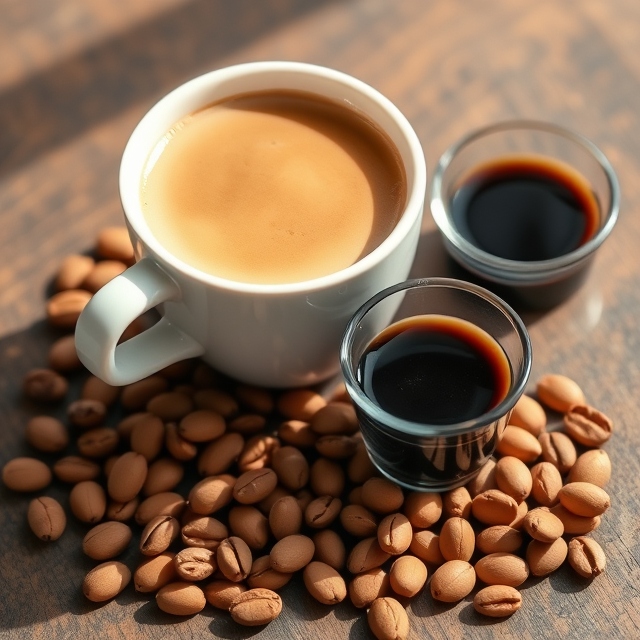
Finding coffee for people who dislike bitter coffee often starts with changing the roast rather than giving up on coffee altogether. While some coffees have strong smoky or bitter characteristics, others offer a lighter and more delicate drinking experience.
The key is to understand why coffee tastes bitter and which choices can reduce the flavors you find unpleasant.
Why Does Coffee Taste Bitter?
Bitterness is a natural part of coffee, but its intensity can vary considerably.
Roasting plays an important role. As coffee beans receive more heat and roast development, their flavor profile changes. Dark-roasted coffee commonly has more pronounced roasted, smoky, and bitter characteristics than lighter styles.
Brewing can also influence bitterness. Coffee that is extracted too aggressively or for too long may taste harsh, dry, or unpleasantly bitter, even when the beans themselves are not especially dark.
Therefore, choosing a suitable roast and using an appropriate brewing method can make a significant difference.
Choose a Lighter Roast
One of the simplest options for someone who dislikes dark-roast bitterness is to explore lighter coffee.
Light roasting allows more of the bean’s original characteristics to remain noticeable. Depending on the coffee, this can produce flavors that are described as nutty, floral, fruity, grain-like, sweet, or tea-like rather than strongly smoky.
However, lighter does not automatically mean that every coffee will taste mild. Bean origin, variety, processing, roast development, freshness, and brewing all contribute to the final cup.
What Is Mild White Coffee?
White coffee is an unusually light-roasted style that can look dramatically different from conventional coffee.
Because the beans receive less roast development, they can remain very pale and unusually dense. The flavor can also be quite different from traditional dark coffee, making it interesting for people who want to explore a less conventional coffee experience.
Those looking for an exceptionally light option can explore mild white coffee as part of comparing lighter roast styles and their flavor characteristics.
The term “mild” should still be understood as a description of the overall flavor experience rather than a guarantee that every preparation will taste identical.
Does Mild Coffee Mean Weak Coffee?
No. Flavor intensity and caffeine content are not the same thing.
A coffee can have a lighter, less bitter flavor while still providing caffeine. Similarly, a dark coffee can taste extremely strong without necessarily having a proportionally higher caffeine content.
This distinction is useful when choosing coffee. If you dislike bitterness, you do not necessarily need to stop drinking coffee or choose a heavily roasted product simply because you want a noticeable coffee experience.
Brewing Can Make Coffee Less Bitter
Even a suitable light roast can become unpleasant if it is brewed poorly.
Several variables are worth checking.
Use an Appropriate Grind
Grind size should match the brewing method. Coffee grounds that are too fine can contribute to excessive extraction in some brewing setups, while an unsuitable coarse grind can create other balance problems.
Adjusting the grind gradually is often more useful than making dramatic changes.
Watch Extraction Time
Longer contact between water and coffee can increase extraction. If a cup tastes harsh or excessively bitter, reviewing the brewing time may help.
The ideal extraction depends on the equipment, grind, coffee quantity, and other brewing conditions, so there is no single time that works for every coffee.
Pay Attention to Coffee-to-Water Ratio
Using too much coffee for the amount of water can create a very concentrated beverage. Conversely, using too little can produce a thin cup.
A consistent ratio gives you a better starting point for adjusting flavor.
Which Brewing Methods Work Well?
Different brewing methods emphasize different aspects of coffee.
Pour-Over
Pour-over brewing gives the brewer considerable control over water flow, grind size, and extraction. It can be useful when trying to highlight the distinctive characteristics of a lighter roast.
French Press
French press uses immersion brewing and produces a fuller-bodied beverage. It can be a good option for drinkers who prefer a richer mouthfeel without automatically choosing a dark roast.
Drip Coffee
A drip machine offers convenience and consistency. With the right coffee quantity and grind, it can produce a balanced cup suitable for everyday drinking.
Espresso
Espresso is concentrated and requires careful control of grind and extraction. Very light-roasted beans can be denser and harder to grind, so preparation may require more adjustment than with a conventional roast.
How to Choose Coffee If You Hate Bitterness
If bitterness is your main concern, start by looking for coffees described with terms such as:
- Light roast
- Very light roast
- Nutty
- Sweet
- Mild
- Smooth
- Floral
- Fruity
- Tea-like
These descriptions are not guarantees, but they can help you narrow your choices.
It is also worth checking whether the coffee has been roasted specifically to emphasize dark, smoky, or heavily roasted characteristics. If those are the flavors you dislike, a different roast profile may be a better starting point.
Can Coffee Still Have a Strong Aroma Without Being Bitter?
Yes. Aroma and bitterness are separate characteristics.
A coffee can have a noticeable aroma while remaining relatively light on the palate. Nutty, toasted, floral, fruity, and other aromatic qualities can make a coffee interesting without relying entirely on dark roasting.
This is one reason tasting notes are useful when selecting specialty coffee. They provide more information than simply choosing between light, medium, and dark.
A Simple Way to Experiment
If your current coffee tastes too bitter, change one variable at a time.
First, try a lighter roast. If the flavor is still unpleasant, examine the brewing process. Adjust the grind, coffee-to-water ratio, or extraction time rather than changing everything simultaneously.
Once you find a combination that tastes comfortable, you can experiment further with different beans and roast styles.
This gradual approach makes it easier to understand what actually changes the flavor in your cup.
The Bottom Line
Coffee does not have to be dark and bitter to be enjoyable. For people who dislike bitterness, lighter roast styles, carefully selected flavor profiles, and appropriate brewing techniques can provide a different experience.
Very light coffee can be particularly interesting because its roast development, density, aroma, and flavor characteristics differ from conventional dark-roasted beans. Ultimately, the best approach is to choose coffee according to the flavors you enjoy and then adjust the brewing process to bring those characteristics forward.